


How Fiberglass Sculptures Are Made: From Creative Idea to Installation

A fiberglass sculpture often starts with a simple idea — a drawing, photograph, 3D design or character concept. Turning that idea into a physical sculpture, however, involves more than creating the final shape.
The project usually moves through several stages, including design planning, fabrication, finishing and installation. The exact approach depends on factors such as size, complexity and intended location.
So, how are fiberglass sculptures made? Here is a closer look at the journey from concept to finished installation.
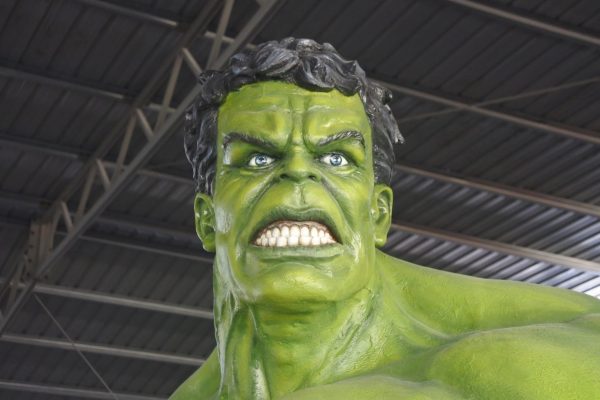
A real example is the Marvel 10 Years Exhibition at Pavilion Square, Kuala Lumpur, where Jia Cheng Fiber Manufacturing (M) Sdn. Bhd. was involved in producing large-scale character props, including Iron Man and Hulk.
What Is a Fiberglass Sculpture?
A fiberglass sculpture is a three-dimensional structure created using fiberglass, commonly as part of a Fiber Reinforced Polymer (FRP) fabrication process.
Custom sculptures can begin with drawings, photographs, 3D files or other design references. This gives fabricators flexibility to develop different shapes, dimensions and appearances for characters, decorative features, exhibition props and commercial displays.
How Are Fiberglass Sculptures Made?
There is no single method for making every fiberglass sculpture. A small decorative piece and a giant exhibition character may require very different approaches.
However, a custom project generally moves through several key stages.
1. Start With the Concept and Design
First, the fabricator needs to understand what the client wants to create.
The client may provide a drawing, photograph, 3D model or another visual reference. From there, important details such as the intended appearance, dimensions and installation location can be discussed.
Clear references help establish the direction before fabrication begins.
2. Plan the Size and Structure
Next comes production planning.
The sculpture’s size, shape and location can influence its structural requirements. Larger sculptures may need additional support or separate sections to make handling and transportation more practical.
The installation environment matters too. For instance, an indoor exhibition piece may have different requirements from an outdoor sculpture.
3. Develop the Sculpture Form
Once the concept and dimensions are clear, the physical form can begin to take shape.
The exact approach varies according to the design. A simple display may not require the same fabrication method as a detailed character with complex curves and features.
Therefore, the production approach needs to suit the individual sculpture rather than follow one fixed method.
4. Carry Out Fiberglass Fabrication
The project then moves into fiberglass fabrication, where the sculpture develops into its physical structure based on the planned design.
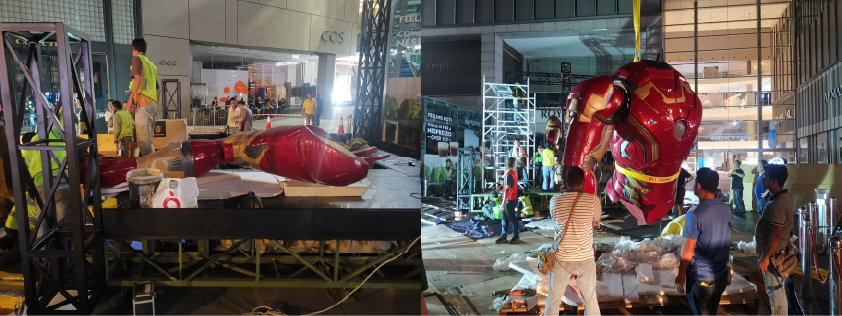
For larger projects, the team also needs to consider how the finished structure will be handled and transported. In some cases, producing the sculpture in several sections can make these later stages more manageable.
5. Prepare and Finish the Surface
After the main structure takes shape, attention shifts to its appearance.
Surface preparation creates the base for colours, textures and other visual details. This stage is especially important for recognisable characters, branded displays and decorative sculptures where appearance plays a major role.
6. Transport and Install the Sculpture
Finally, the sculpture needs to reach its intended location.
Large pieces require additional planning because site access, loading areas and available installation space can affect transportation. If a sculpture consists of several sections, the team may also assemble them at the destination before completing the installation.
What Affects the Fiberglass Sculpture Production Process?
Several factors can change how a custom fiberglass sculpture is produced.
Size and complexity affect structural planning, handling and the amount of detail involved. Meanwhile, the installation environment determines whether factors such as outdoor exposure need additional consideration.
The desired surface finish also matters. A simple decorative structure may require less detail than a recognisable character or branded display.
Finally, transportation and site access can influence how the sculpture is divided and assembled, particularly for large installations.
What Can Be Made With Fiberglass?

Fiberglass can support many creative and commercial applications, including:
- Giant character sculptures
- Brand mascots
- Custom figurines
- Decorative sculptures
- Oversized product replicas
- Exhibition and stage props
- Retail displays
- Theme park structures
- Themed installations
- Commercial art features
These sculptures can appear in shopping malls, exhibitions, events, attractions, retail environments and other commercial spaces.
Real Project: Giant Character Sculptures in Kuala Lumpur
The Marvel 10 Years Exhibition at Pavilion Square, Kuala Lumpur shows how custom fabrication works on a larger scale.
Jia Cheng Fiber Manufacturing was involved in producing large-scale character props for the exhibition, including Iron Man and Hulk.
For a project of this scale, creating the visual form is only part of the work. Structure, finishing, transportation, assembly and installation also need to fit together.
This example shows why large custom sculptures require both creative and practical planning from concept through installation.
What Affects the Cost of a Custom Fiberglass Sculpture?
There is no standard price for every fiberglass sculpture because each project has different requirements.
Factors such as size, design complexity, structural requirements, surface detail, finishing, quantity, transportation and installation can affect the overall scope.
For example, a small decorative piece will not involve the same amount of work as a giant exhibition character.
Therefore, providing drawings, photographs, dimensions or 3D references can help the fabricator understand the project before preparing a quotation.
Why Is Fiberglass Used for Custom Sculptures?
Fiberglass works well for custom sculptures because it can support creative shapes, larger forms and detailed finishes.
It gives fabricators flexibility when developing characters, mascots and other unusual designs. The finished surface can also be prepared with different colours, textures and visual details to achieve the intended appearance.
In addition, fiberglass can be used for both indoor and outdoor projects. However, the final environment still needs to be considered when planning the structure, finish and installation.
From Concept to Finished Fiberglass Sculpture
Understanding how fiberglass sculptures are made shows that the process involves much more than shaping and painting.
It starts with an idea, followed by planning, fabrication, finishing and installation. More importantly, the process needs to suit the sculpture’s size, design and final location.
For businesses planning a custom fiberglass sculpture in Malaysia, Jia Cheng Fiber Manufacturing works on custom FRP projects for characters, commercial displays, exhibitions and other creative applications.
Have a concept in mind? Contact Jia Cheng Fiber Manufacturing to share your drawing, picture or 3D design and discuss your project requirements.
Frequently Asked Questions
How are fiberglass sculptures made?
The process usually starts with a concept or visual reference before moving through planning, fabrication, finishing and installation. The exact approach varies according to the sculpture’s design, size and location.
Can a fiberglass sculpture be made from a picture?
Yes. A photograph, drawing or 3D file can provide the starting point for a custom sculpture. The fabricator can then review the dimensions, appearance and installation requirements.
What affects the cost of a fiberglass sculpture?
Size, design complexity, structural requirements, finishing, quantity, transportation and installation can all affect the project scope and cost.
Can fiberglass sculptures be installed outdoors?
Yes. Fiberglass sculptures can be used outdoors, although weather exposure, finishing, structural support and installation conditions need to be considered during planning.
Why are large fiberglass sculptures made in sections?
Separate sections can make large sculptures easier to fabricate, handle, transport and install. Whether this is necessary depends on the individual project.